

In conclusion, despite significant advancements in technology and education, honor killings persist in some communities.
“Honor killings” persist as a troubling phenomenon in educated modern societies, frequently linked to patriarchal gender attitudes
A study conducted in Jordan found that 33.4% of respondents either “strongly agreed” or “agreed” with scenarios depicting honor killings.
WAH CANTT ( WEB NEWS )
A married woman who had recently returned from Qatar with her uncles was gunned down allegedly in the name of honour in Lalazar Colony .
The woman has been identified as Sumera Aziz. Her sister Sana Khan told police that her sister’s husband Suleman had suspicion that her wife had a contact with a man on a phone.
She said two suspects Walid and Israr killed her sister allegedly with the abetment of her husband Suleman and other members of the family.
Sana Khan told police that she had secretly heard the family members of her sister talking of killing her.
Police have registered a honour killing case on the complaint of Sub-Inspector Asif Iqbal, and launched a manhunt for the suspected killers. The victim had returned to Pakistan from Qatar with her uncles Shaukat and Faisal.
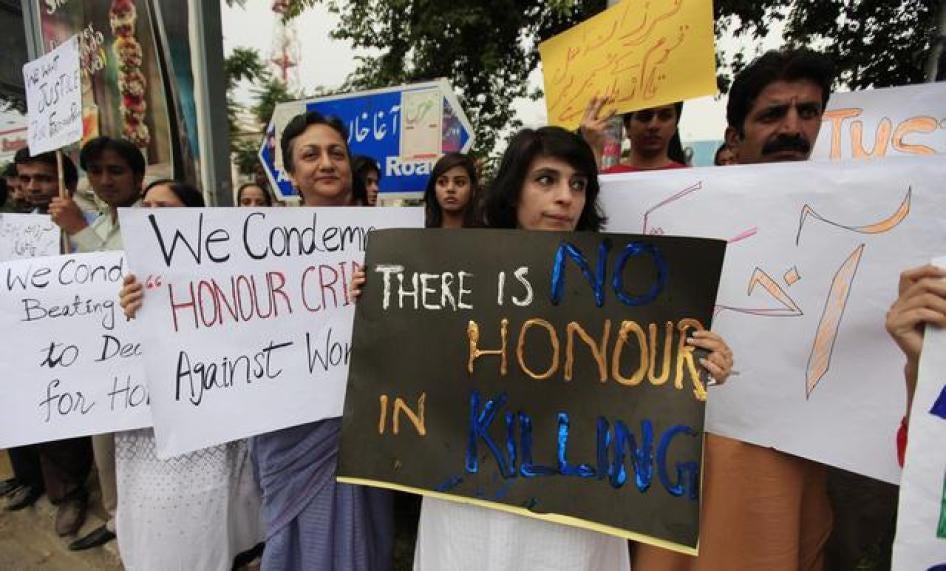
“Honor killings” persist as a troubling phenomenon in educated modern societies, frequently linked to patriarchal gender attitudes, traditional worldviews, and the preservation of family honor. According to a Turkish study conducted in 2008, honor killings are not always associated with a feudal social structure in the Southeastern Anatolia Region, and some of the perpetrators are university graduates. Among those surveyed, 60% were either high school or university graduates or at least literate. A 2019 study on factors associated with honor killings indicated that having a low socioeconomic status, a history of violence against women in families and communities, and being part of a society with patriarchal gender attitudes are significant factors. The study also pointed out that younger generations are taught inaccurate information about gender roles and “family honor” even in schools, contributing significantly to the development of a patriarchal society. Academic education serves as a protective factor against honor killings.
A study conducted in Jordan found that 33.4% of respondents either “strongly agreed” or “agreed” with scenarios depicting honor killings. Notably, 46.1% of boys and 22.1% of girls supported honor killings. Only 21.1% of teens with at least one family member who holds a university degree shared such views, despite the fact that 61% of teenagers from the lowest educational background showed supportive attitudes toward honor killings. Fareena Alam, a former editor of the British Muslim magazine Q-News, argues that honor killings are a way for immigrant families to deal with the alienating effects of urbanization in Western cultures like Britain. As a safety net, immigrants stay close to their home culture and relatives. A man’s sphere of control was larger and he had a large support network in villages “back home.” It is virtually impossible to control the people with whom one’s family interacts in cities full of strangers.
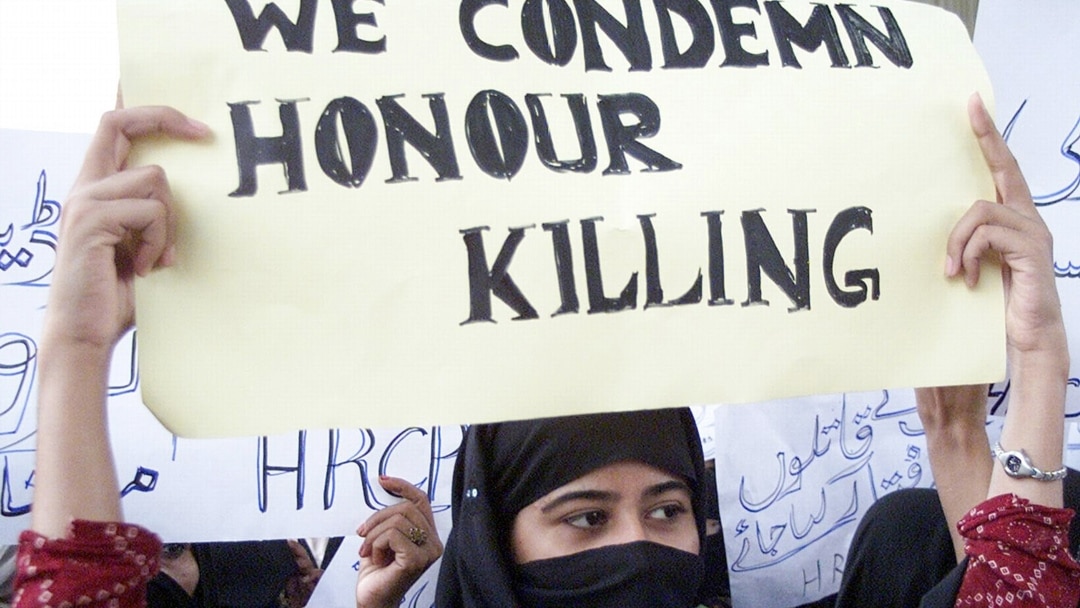
Thus, honor killings are ultimately the result of attempts to regain control and feelings of alienation. According to a study on honor killings in the Eastern Mediterranean, rapid modernization—where the world moves too quickly for the rigid patriarchal mindsets of the perpetrators—significantly contributes to the rise in honor killings. Honor killings are an irrational cultural tradition practiced by many communities all over the world. Despite the advent of technology and development, these cases are on the rise. They primarily suppress women’s independence, education, and development. The reasons behind honor killings include falling in love with someone from another caste and refusing an arranged marriage. Domestic violence, which is frequently misunderstood in society, is distinct from honor killings. Even though there are no specific laws in place to stop honor killings, some people try to justify them by citing their community and cultural status. Psychological factors prevent people from changing their attitudes and adhering to cultural practices. To prevent honor killings, a shift in mindset through education and awareness is necessary. A psychosocial approach may also help prevent such killings.
In conclusion, despite significant advancements in technology and education, honor killings persist in some communities. Not only are these acts influenced by cultural norms and traditional patriarchal concepts, but also by factors like socioeconomic status, education levels, and the rapid changes in society. To eradicate honor killings, it is essential to enhance education, raise awareness, and promote gender equality and women’s rights.