


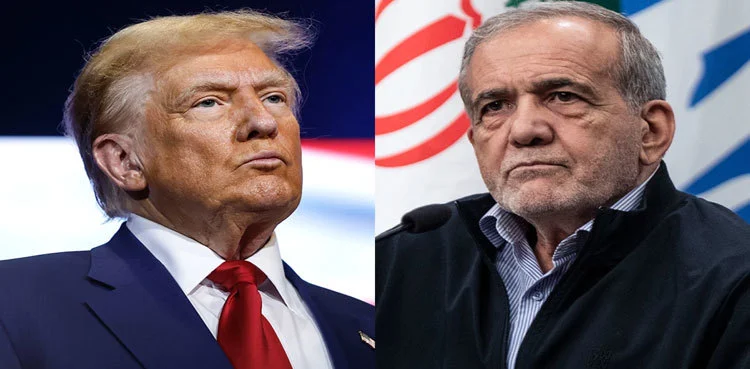
There was no immediate response from U.S. and Iranian officials. . Reuters
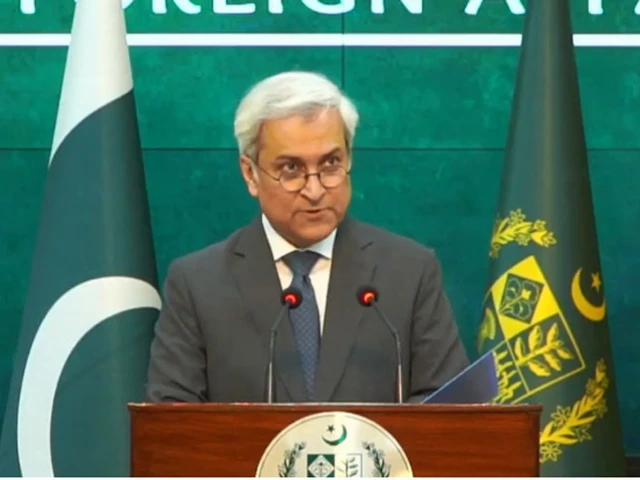
“We do not comment on these individual, specific incidents,” Andrabi said, adding that the peace process was ongoing, Pakistan’s official media.

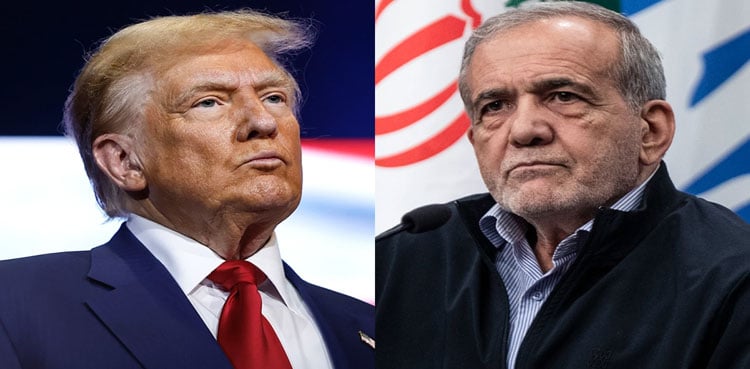
ISLAMABAD ( WEB NEWS )
Foreign Ministry spokesperson Tahir Andrabi said on Monday that the peace process was ongoing, but declined to comment on reports that Pakistan had shared a ceasefire framework to end hostilities in the US-Israel war on Iran. Pakistan official media reported.
“We do not comment on these individual, specific incidents,” Andrabi said, adding that the peace process was ongoing.
The statement came after reports suggested that Islamabad had shared a framework the US and Iran to end hostilities, which could come into effect on Monday and lead to the reopening of the Strait of Hormuz.
The framework was exchanged with Iran and the US overnight, according to sources, outlining a two-tier approach involving an immediate ceasefire followed by a comprehensive agreement.
However, Iran won’t reopen the Strait of Hormuz in exchange for a “temporary ceasefire”, a senior Iranian official told Reuters on Monday, saying that Tehran views Washington as lacking the readiness for a permanent ceasefire.


The official confirmed Iran had received Pakistan’s proposal for a ceasefire and was reviewing it, emphasising that Tehran does not accept being pressured to accept deadlines or make a decision.
The mediators have stepped up efforts for a ceasefire between Iran and the United States as sides have received a Pakistan-formulated plan to end hostilities that could come into effect on Monday and reopen the Strait of Hormuz, a source aware of the proposals said on Monday.
Axios first reported on Sunday that the United States, Iran and regional mediators were discussing a potential 45-day ceasefire as part of a two-phase deal that could lead to a permanent end to the war, citing U.S., Israeli and regional sources.
A framework to end hostilities has been put together and exchanged with Iran and the U.S. overnight, a source said, outlining a two-tier approach with an immediate ceasefire followed by a comprehensive agreement.

“All elements need to be agreed today,” the source said, adding the initial understanding would be structured as a memorandum of understanding finalised electronically through Pakistan, the sole communication channel in the talks.
Under the proposal, a ceasefire would take effect immediately, reopening the Strait of Hormuz, with 15–20 days to finalise a broader settlement. The deal, tentatively dubbed the “Islamabad Accord,” would include a regional framework for the strait, with final in-person talks in Islamabad.
There was no immediate response from U.S. and Iranian officials.
Iranian officials have previously told Reuters that Tehran was seeking a permanent ceasefire with guarantees they will not be attacked again by the U.S. and Israel.
They have said Iran has received messages from mediators including Pakistan, Turkey and Egypt.
The final agreement is expected to include Iranian commitments not to pursue nuclear weapons in exchange for sanctions relief and the release of frozen assets, the source said.